The arrival of autumn brings very noticeable changes to the environment, and these do not go unnoticed by your dog: the temperature drops, humidity rises, rain falls more often and, even so, the only thing that never seems to change is the parasites and mosquitoes that carry on with their activity. So you can enjoy another year of this wonderful season, in this article we share 5 tips for taking care of your dog in autumn.
Pay close attention to shedding
Although dogs lose hair all year round (it is far more noticeable in long-haired dogs than in short-haired ones), the arrival of autumn and the change in temperature encourage the renewal of their coat so they can withstand the low temperatures that occur during this time of year. To help with this physical change, the best thing you can do is brush them so that loose hair comes away more easily, making room for new hair to grow in the amount and thickness your dog needs for this new climate.
How often you should brush them depends greatly on the breed and type of coat they have (the more hair they have and the longer it is, the more often you should brush it). The best thing to do is consult a veterinarian or a canine groomer to find out the needs of your little furry friend and remember that shaving your dog in summer can be counterproductive.
Parasites are still lurking
Even though the ideal climate for external parasites (in general) tends to be the warmth of spring and summer, during autumn and winter they remain active. However, it is very common to stop paying attention to them during these seasons because their numbers are noticeably lower, but the danger they pose to your dog's health is just as great since even a small number can make your dog seriously ill.
To avoid this, it is absolutely essential to keep their deworming schedule up to date by using (for external parasites) repellent pipettes or collars that keep parasites away from your dog. These tiny creatures are not only a danger because of their mere presence (since many are extremely uncomfortable and bothersome for your dog, such as ticks and fleas) but they also bring with them a wide variety of diseases that can even be deadly.
Leishmaniasis and other diseases
Leishmaniasis is one of the many diseases your dog can acquire through external parasites. This one, specifically, is transmitted by the Leishmania mosquito, which absorbs the disease from an infected host by biting it and later transmits it, through a bite, to new hosts, carrying the parasite directly into their bloodstream.
In addition to following the deworming schedule, as we indicated in the previous section, you can also protect your dog from the Leishmania mosquito and other parasites by avoiding exposing them to areas with heavy vegetation and where puddles of stagnant water collect. These are the perfect environments for parasites to develop, so it is far more likely that your dog will contract some disease (or at least pick up the parasites) if exposed to these places.
Encourage walks and physical activity
The humidity and cold that autumn brings often affect your dog's bones and respiratory system. To prevent these from taking a toll on your dog, it is advisable for them to do physical activity with the frequency and intensity that their age and health allow. Walks and games keep both their muscles and their brain active, so it is important not to interrupt activities of this kind during this time of year.
When the harshest cold arrives, also check out our tips for taking your dog to the snow safely.
Don't cut back on vet visits, come to Clínica Veterinaria SOMO in Cantabria
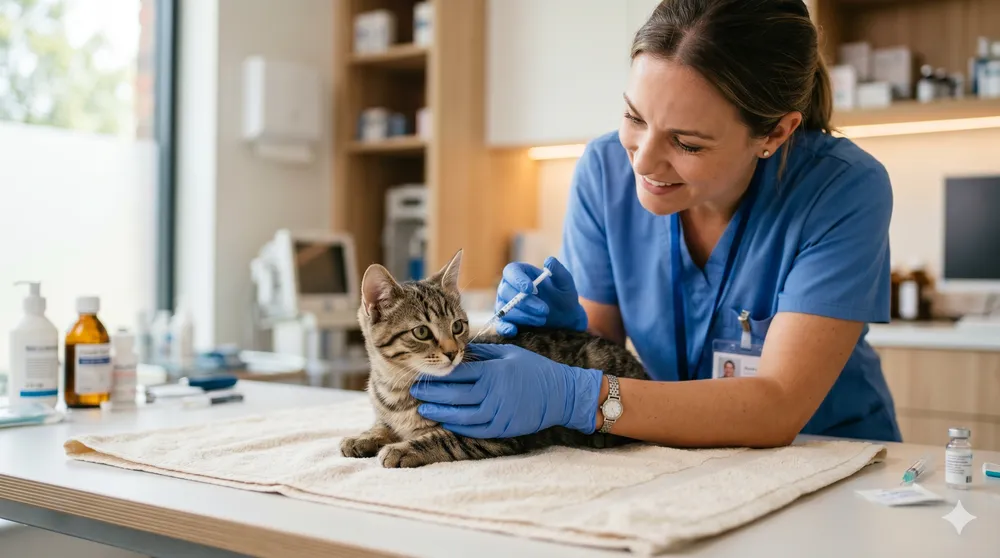
As we explained throughout the previous sections, autumn brings about major changes in many aspects of your dog's life, and these can seriously affect them if they are not recognized and managed in time. That is why we recommend visiting the veterinarian frequently during autumn, and the best place you can go is Clínica Veterinaria SOMO in Cantabria. Book your appointment at our clinic by clicking here or get in touch with us at 942 51 00 66. You can also call us on our phone: 722 61 44 10 in the event of any emergency with your dog