What rabies is
Rabies is one of the most dangerous diseases within the category of zoonoses, that is, diseases transmissible from animals to humans, since it is a lethal pathology that can put at risk the health not only of our pets, but of our entire household. It is an infectious disease that acts on the central nervous system and affects practically all mammals. It is caused by the Rhabdoviridae virus, and has an extremely high lethality rate of almost 100%, except in exceptional cases.
How rabies is transmitted
The virus accumulates mainly in the saliva of the infected animal and in practically all cases it is transmitted through a bite, although there is also a risk of infection through contact of the animal's saliva with open wounds, mucous membranes, etc., but these are situations with a much lower incidence and that are very uncommon. In this way, against this pathology Preventive Medicine plays a decisive role, since only through prevention by means of vaccination against rabies can we keep our pet and the rest of our household protected, avoiding contracting this lethal disease that represents a danger to public health.
Symptoms of rabies in dogs
The symptoms of rabies in dogs include: sudden behavioural change, increased salivation (excessive drooling), aggressiveness with no apparent cause, photophobia (sensitivity to light), seizures and progressive paralysis. These clinical signs usually appear between 3 and 8 weeks after direct infection. Unfortunately, rabies has no effective treatment once it has manifested; the only way to protect the animal is through prevention and mandatory vaccination.
- Behavioural changes: Evasive, nervous behaviour or unusual fearfulness.
- Hypersalivation and drooling: Severe difficulty swallowing food and water.
- Aggressiveness and hyperactivity: Episodes of fury and unprovoked attacks.
- Photophobia: Rejection or extreme irritability towards light stimuli.
- Seizures and paralysis: Loss of motor control that progresses in a descending pattern.
Phases of rabies
This is a disease that runs through three defined phases that may end up overlapping. These stages are:
Prodromal stage
It is characterised by a change in the animal's behaviour that is reflected in evasive and nervous behaviour, although the opposite case may also occur, with the animal becoming excessively affectionate. Photophobia or sensitivity to light may also appear, as well as increased salivation that causes difficulty swallowing. It lasts between 2 and 8 days, and in the final stage of this phase an apathetic and listless attitude may appear.
Furious rabies stage
In this stage the dog appears hyperactive, nervous and aggressive, and may bite or attack without reason any person (even its owners), animal or object that gets in its way. It may also experience episodes of seizures. A high percentage of the animals that suffer from the disease die during this phase.
Rabid encephalitis stage
This is the final phase of the pathology, which causes paralysis in the patient that leads to a state of coma and, finally, death from cardiac and/or respiratory failure. However, it is worth noting that it is possible that our pet may not even reach this phase, since, as we have mentioned, a high percentage of dogs infected with rabies die in the second stage.
Treatment of rabies in dogs
Unfortunately, there is no effective treatment against this fatal pathology, hence the extraordinary importance of rabies prevention to protect both our pet and the household members as a whole and society in general.
Rabies prevention
The key to preventing rabies lies in vaccination
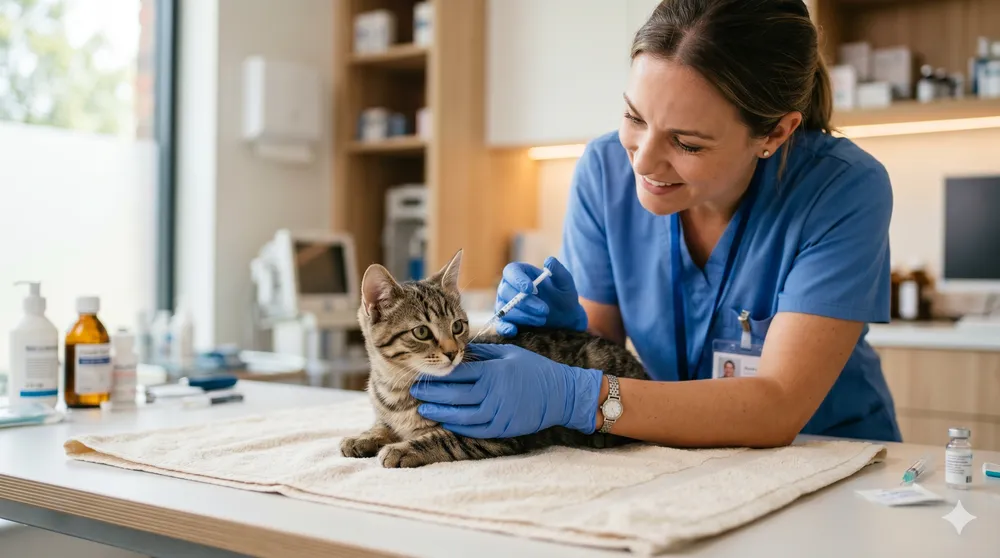
Following an appropriate rabies vaccination protocol with the administration of the vaccine against this pathology from three months of age, along with its corresponding booster doses, is the way to ensure maximum protection for our dog. Against rabies, prevention is our greatest ally Vaccination represents our pet's main defence against this lethal disease, and following an appropriate preventive protocol indicated by a veterinarian is the best protection for our pet. On the other hand, in the event that our pet has been bitten by any wild animal, we must clean and disinfect the wound and go quickly to the veterinarian so that they can assess the situation as soon as possible. We hope this series of tips helps you understand the importance of being protected against this dangerous disease and of preventive measures as a means of keeping our pets and the rest of the household members healthy and protected.
At Clínica Veterinaria Somo in Cantabria your pet will receive the best protection against rabies
At our veterinary clinic in Cantabria we administer the rabies vaccine to provide your pet with the best veterinary protection against this serious disease. In addition, we will advise you and indicate the most appropriate time both for the first rabies vaccination and for the booster doses in order to maximise the period of protection against it, thereby achieving the maximum wellbeing for your furry companion.