If your cat hasn't eaten for hours or you see it vomiting repeatedly, it's best not to wait. The phrase "my cat won't eat" is one of the most common reasons for veterinary visits in cats, and although it is sometimes due to something trivial, in this species a loss of appetite can become dangerous very quickly. When a cat vomits and also stops eating, the body begins to mobilise fat towards the liver and hepatic lipidosis can develop, a serious complication that can set in within just a few days, especially in overweight cats.
In this article we explain why feline inappetence deserves attention, which causes are the most common, which warning signs require a trip to the vet and, above all, what you should not do at home.
Why it is dangerous for a cat to stop eating
Unlike dogs, cats tolerate fasting very poorly. Their metabolism is not designed to go several days without food. When a cat doesn't eat for more than 24-48 hours, the body draws on its fat reserves for energy and the liver is overwhelmed by that flood of fat, which can lead to hepatic lipidosis.
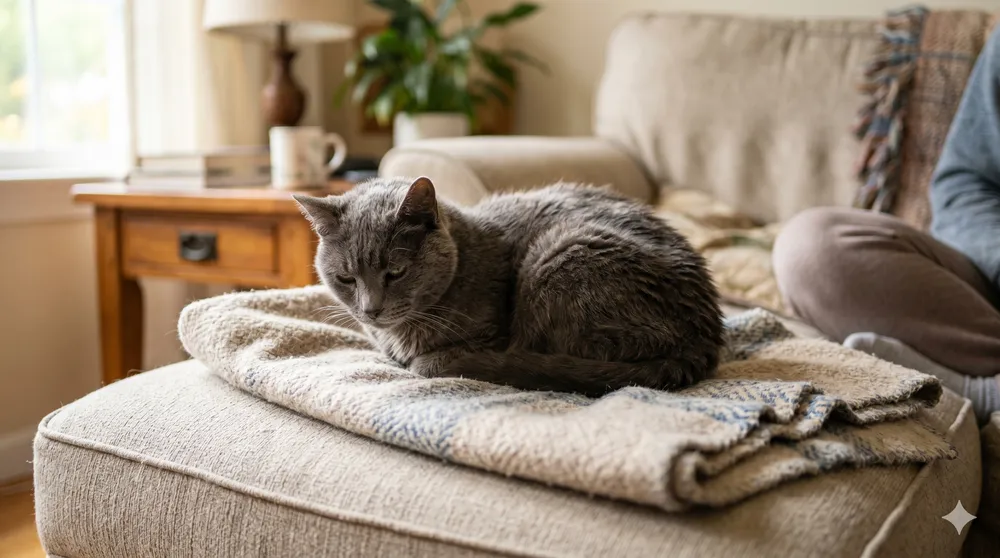
That's why, when faced with a cat that persistently refuses food, time matters. It's not the same for a healthy cat to skip a meal because of the heat as it is for a cat that has gone two days without a bite, hiding and apathetic. In the second case, the sensible thing to do is to consult without delay. If you're unsure about the severity, you can check our guide to the symptoms of a sick cat.
Inappetence and vomiting: they often go together
It is very common for a cat that vomits to also end up refusing food, because the nausea takes away its appetite. And the other way around: a fasting cat may vomit yellowish bile or foam because of an empty stomach. Working out which came first helps the vet to guide the diagnosis.
Common causes of inappetence and vomiting in cats
The causes are very varied, ranging from mild, temporary problems to illnesses that require treatment. Among the most common we find:
- Hairballs (trichobezoars): when grooming, the cat swallows hair that can build up and cause vomiting or regurgitation, especially in long-haired breeds or during moulting.
- Sudden diet changes: switching abruptly from one food to another or introducing new foods can irritate the digestive system.
- Foreign bodies: cats sometimes swallow thread, rubber bands or pieces of plastic that can obstruct the digestive tract. This is an emergency.
- Intestinal parasites: digestive worms cause vomiting, diarrhoea and loss of appetite, especially in young or undewormed cats.
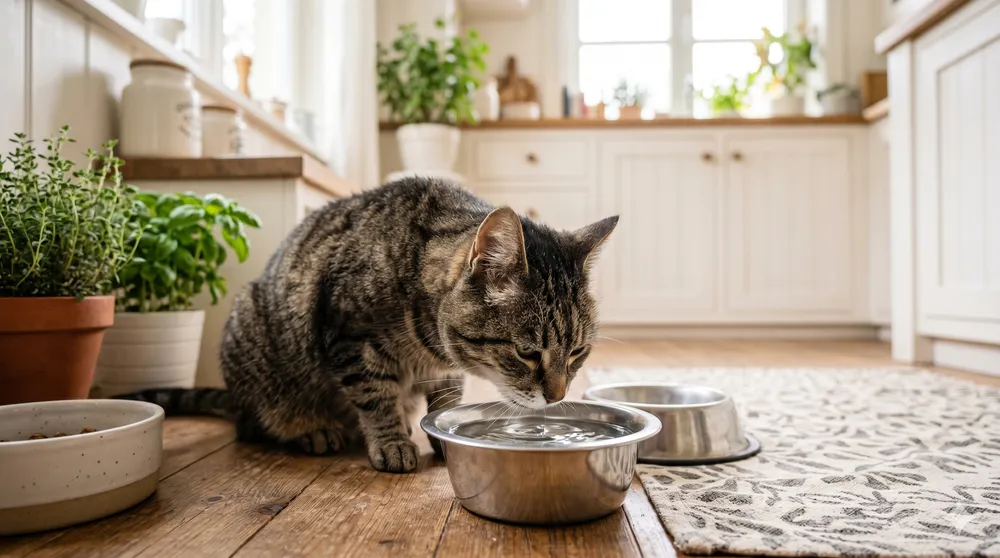
- Kidney disease: very common in older cats; it causes nausea, vomiting, increased thirst and a progressive loss of appetite.
- Digestive or inflammatory disease: gastritis, pancreatitis or inflammatory bowel disease can present with vomiting and food refusal.
- Stress and changes in the environment: a house move, a new cat at home or changes in routine can cause a sensitive cat to stop eating.
Some of these causes are mild and others need professional attention. That's why, more than the specific reason, what matters is being able to identify when the situation stops being trivial.
Quick reference table: cause, signs and level of urgency
| Cause | Signs | Urgent? |
|---|---|---|
| Hairballs | Occasional vomit with hair, cat otherwise active and eating | No, unless it recurs or the cat stops eating |
| Diet change | Vomiting or soft stools after introducing new food | Monitor; consult if it persists for more than 1-2 days |
| Intestinal parasites | Vomiting, diarrhoea, dull coat, sometimes visible worms | Scheduled consultation, deworm |
| Kidney disease | Excessive thirst, weight loss, vomiting and declining appetite | Yes, assess promptly |
| Foreign body / obstruction | Repeated vomiting, not eating, abdominal pain, lethargy | Urgent |
| Prolonged fasting (risk of lipidosis) | More than 24-48 h without eating, apathy, jaundice (yellow mucous membranes) | Urgent |
Warning signs: when to go to the emergency vet
There are situations where it's not advisable to wait and see "if it passes". Go to the vet immediately if your cat shows:
- More than 24 hours without eating anything, especially if it is overweight.
- Repeated vomiting within a few hours, or vomiting with blood.
- A swollen or painful abdomen, and unproductive efforts to vomit.
- Yellowish mucous membranes or skin (jaundice), a sign of liver involvement.
- Marked apathy, dehydration, pale or dry gums.
- Suspicion that it has swallowed thread, a toy or another object.
Any of these signs justifies a professional assessment. You can also consult our guide on signs of a veterinary emergency and, if the situation is serious, learn how our 24h veterinary emergency service works.
What you should NOT do at home
With good intentions, many carers make mistakes that can make things worse:
- Don't force homemade diets or food changes to "tempt" the cat. Some human foods are toxic to cats and others can worsen digestive illness.
- Don't give medication on your own. Human anti-inflammatories and painkillers such as paracetamol or ibuprofen are highly toxic and even fatal to cats.
- Don't try to force-feed it by putting food in without veterinary guidance: it can cause aspiration or increase the refusal.
- Don't wait "one more day" if it has gone more than 24-48 hours without eating. In cats, time is a risk factor.
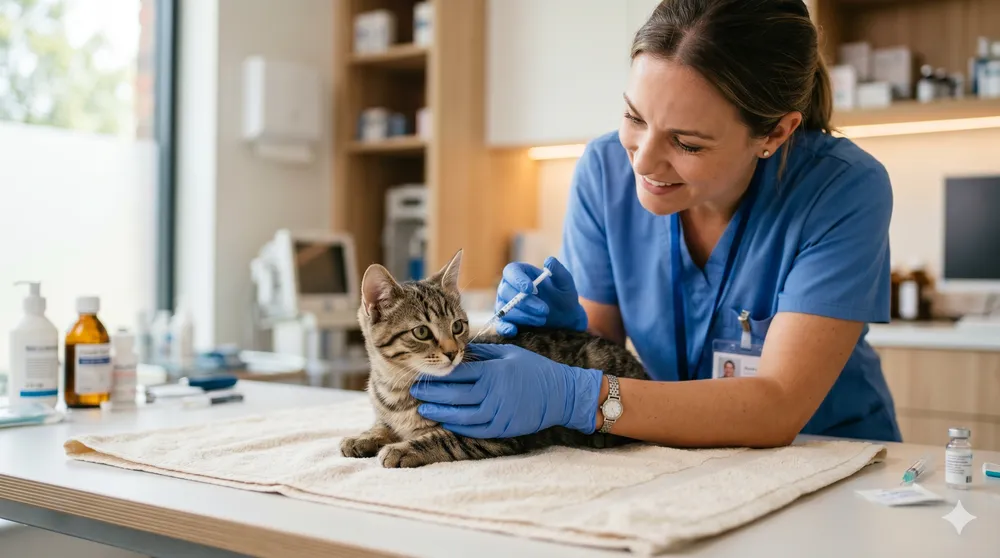
The correct approach is always the same: observe, make a note of how long it has gone without eating or how many times it has vomited, and let the vet be the one to indicate the treatment. If the case requires tests, an internal veterinary medicine work-up can pinpoint the cause.
Prevention: care that reduces the risk
Not everything can be avoided, but a good part of digestive problems can be prevented with basic care: keeping internal deworming up to date, following the cat vaccination schedule, offering a stable, quality diet, brushing the coat to reduce hairballs and keeping an eye on older cats with regular check-ups to detect kidney disease in cats in time.
Frequently asked questions
How long can a cat go without eating?
A healthy cat should not go more than 24 hours without eating. After 24-48 hours of fasting, the risk of hepatic lipidosis increases, especially in overweight cats. If your cat has gone a whole day without a bite, contact your vet.
My cat vomits but is active and eating, should I worry?
An isolated vomit, for example with a hairball, in a cat that keeps eating and playing normally is not usually serious. The alarm goes off when the vomiting recurs, blood appears, the cat stops eating or you notice it is run-down. In those cases it's best to consult.
Can I give it any medication for the vomiting?
No. Never administer human medication or anti-emetics on your own: many are toxic to cats and can mask a serious problem. Only the vet should prescribe the treatment after assessing the animal.
Your trusted clinic in Somo
At Clínica Veterinaria Somo (Cantabria) we specialise in feline medicine and we know how quickly a cat that won't eat or that vomits can deteriorate. If you have any questions, write to us through our contact page or call us on 942 51 00 66. If the situation is serious (vomiting with blood, intense apathy, several days without eating), don't wait: we have a 24h emergency service on 722 61 44 10.